Top 5 Movement Mistakes Tulsans Make | Vanguard Chiropractic Tulsa
The Top 5 Movement Mistakes Tulsans Make (And How They Affect Your Spine)
Living in Tulsa means balancing busy workdays, long commutes, weekend sports, family events, and everything in between. While most people don’t think twice about how they move throughout the day, the truth is that small, repeated habits shape how your spine functions over time.
At Vanguard Chiropractic in Tulsa’s Brookside area, we see many common patterns that slowly challenge the body, create tension, and build stress into the spine and joints. These aren’t dramatic injuries or sudden accidents—just everyday habits that add up.
This article breaks down the top five movement mistakes most Tulsans make, why they matter, and what you can do to support healthier daily motion.
1. Sitting Too Much (Especially When Working From Home or Commuting)
Tulsa’s long drive times and busy office culture create the perfect storm for excessive sitting. Whether you’re commuting from Broken Arrow, working downtown, or sitting at home on a laptop, your spine pays the price for prolonged stillness.
When you sit for long periods, several things happen silently:
Hip flexors tighten
Low back muscles fatigue
Your upper back rounds
Your head shifts forward
Your spine naturally loses healthy joint motion
These changes build slowly. Many patients feel “fine” until suddenly they don’t.
Even without pain, your spine adapts in ways that affect how you move, stand, and sleep. Once compensation patterns lock in, returning to normal motion takes more focused effort.
Simple improvements include standing every 30–40 minutes, adjusting workstation height, moving daily, and avoiding long periods of stillness. Regular chiropractic visits help maintain joint motion and prevent stiffness from becoming your default.
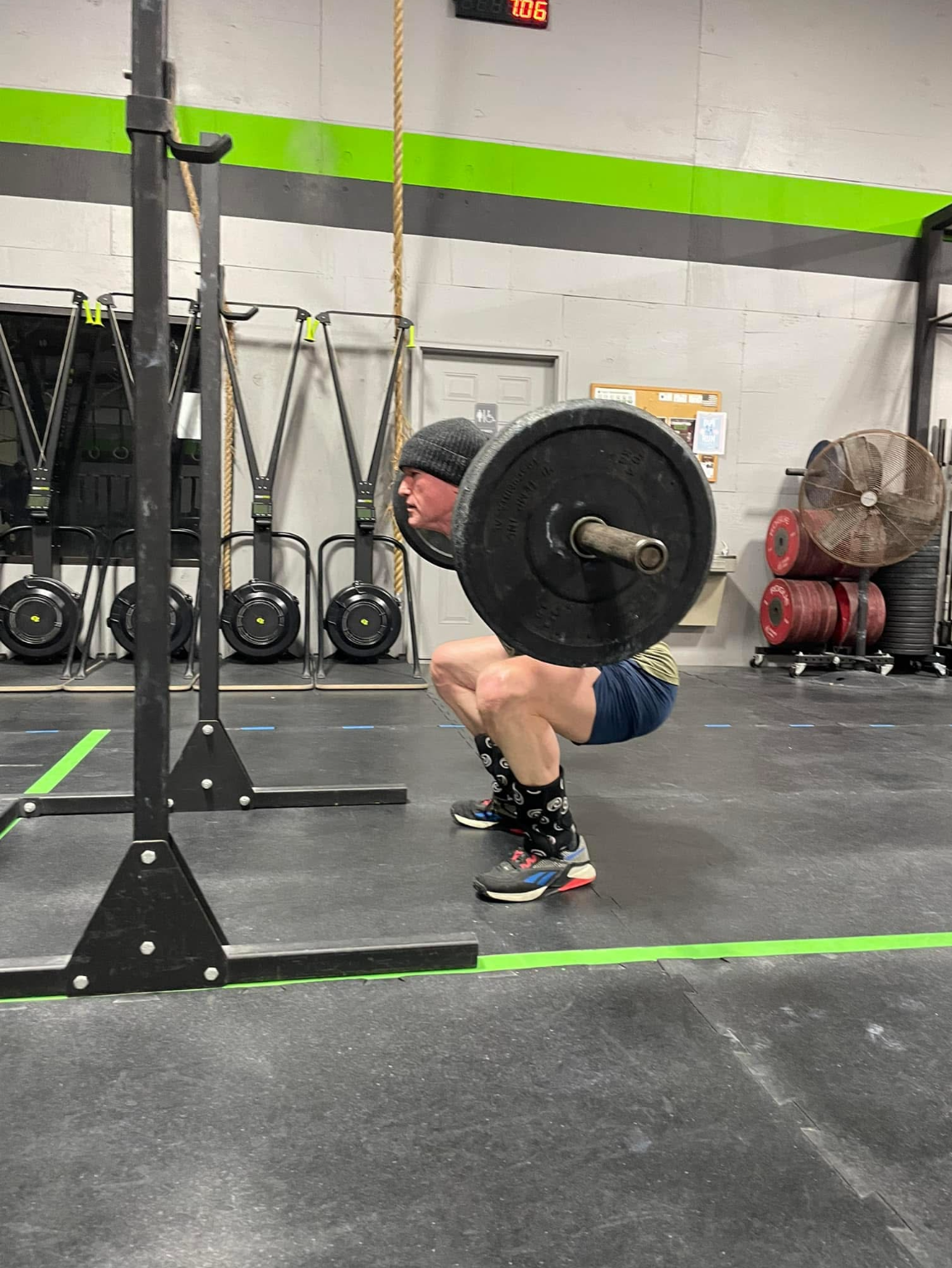
2. Lifting at the Gym With Poor Technique (Especially CrossFit & Weight Training)
Tulsa has a strong fitness community, but enthusiasm often outpaces technique. Even experienced lifters fall into habits that overload the spine.
Common lifting mistakes include:
Shoulders rolling forward during overhead lifts
Rounding the low back on deadlifts
Knees collapsing inward during squats
Using momentum instead of controlled movement
Continuing reps while fatigued without resetting form
These patterns reduce efficiency and increase strain on the joints and muscles—especially when repeated daily or weekly.
Signs you may be lifting with poor movement patterns:
The same warm-up feels stiff every day
One side of your body feels tighter consistently
Certain lifts always “feel off”
You hit a performance plateau
Good form starts with a body that moves well. Chiropractic care supports better joint alignment and motion, which makes strong, efficient lifting possible.
3. Weekend Warrior Overload (Pickleball, Running, Yard Work, and Sports)
Tulsa’s recreational sports scene is booming—pickleball, social leagues, running groups, and park workouts. But many people go from low activity Monday–Friday to intense activity Saturday and Sunday.
The issue isn’t the activity—it’s the sudden intensity.
Weekend overload often includes:
Hours of pickleball with no warm-up
Running long distances after a sedentary week
Doing heavy yard work all at once
Returning to sports after months without practice
Your spine and joints respond best to consistent movement, not occasional bursts. Infrequent high-demand days overwhelm tissues that haven’t been conditioned for the workload.
A better approach includes spreading out activity, adding daily mobility sessions, and maintaining regular chiropractic care to support smooth, functional motion.
4. Poor Posture During Screen Time (Phones, Laptops, Tablets, & TVs)
Phone and screen posture is one of the biggest hidden contributors to spinal stress.
Common posture patterns include:
Forward head tilt
Rounded upper back
Shoulder slouching
Looking down for extended periods
Working on a laptop from the couch or bed
The head is heavy—when it moves forward, it increases the load on the neck and upper back. Over time, these patterns influence how the spine develops tension and how surrounding muscles function.
Ways to improve screen posture:
Bring screens to eye level
Use a chair with proper support
Keep shoulders relaxed and back
Avoid prolonged time looking down
Awareness creates better posture, and better posture supports better movement.
5. Not Addressing Early Discomfort (Waiting Until It’s “Bad Enough”)
Hands down, this is the most common mistake we see in Tulsa—and the one that creates the biggest long-term challenges.
Why people wait:
Busy schedules
Assuming it will resolve on its own
Not wanting to “overreact”
Believing it’s a temporary inconvenience
Thinking a single visit later will reverse everything
What really happens is that early restrictions quietly change how you move. By the time someone seeks help, the issue has typically been compensating for weeks or months.
This is why following your chiropractor’s recommended frequency matters. Care plans aren’t based on pain—they’re based on how the body heals, adapts, and builds new movement patterns. The more consistent you are early on, the better your long-term progress.
What These Movement Mistakes Have in Common
All of them:
Are easy to ignore
Build slowly
Create predictable movement challenges
Are simple to improve when caught early
Your spine is built for movement, but it requires consistent attention and healthy habits.
Moving Forward in Tulsa’s Active Lifestyle
Tulsa is full of active, motivated people who want to feel their best at work, at the gym, and on the weekends. Understanding your daily movement patterns is one of the most powerful steps toward long-term function.
If you’re looking for simple, walk-in chiropractic care that fits your schedule, we’re here in Brookside whenever you need us.
Book Now: https://vanguardchiropractic.janeapp.com/
Call: 918-986-7399
Your movement matters. Let’s keep it working for you.


