Sciatica Pain: The What, Why and How
How Chiropractic Care Can Help Relieve Sciatica Pain: Understanding Symptoms, Root Causes, and Lasting Solutions
If you’re experiencing sharp, shooting pain down the back of your leg—or numbness, tingling, or weakness in your hip or calf—you may be dealing with sciatica.
At Vanguard Chiropractic in Tulsa’s Brookside area, our goal is to help you understand what’s driving your symptoms and create a plan that relieves pain and restores healthy movement.
What Is Sciatica?
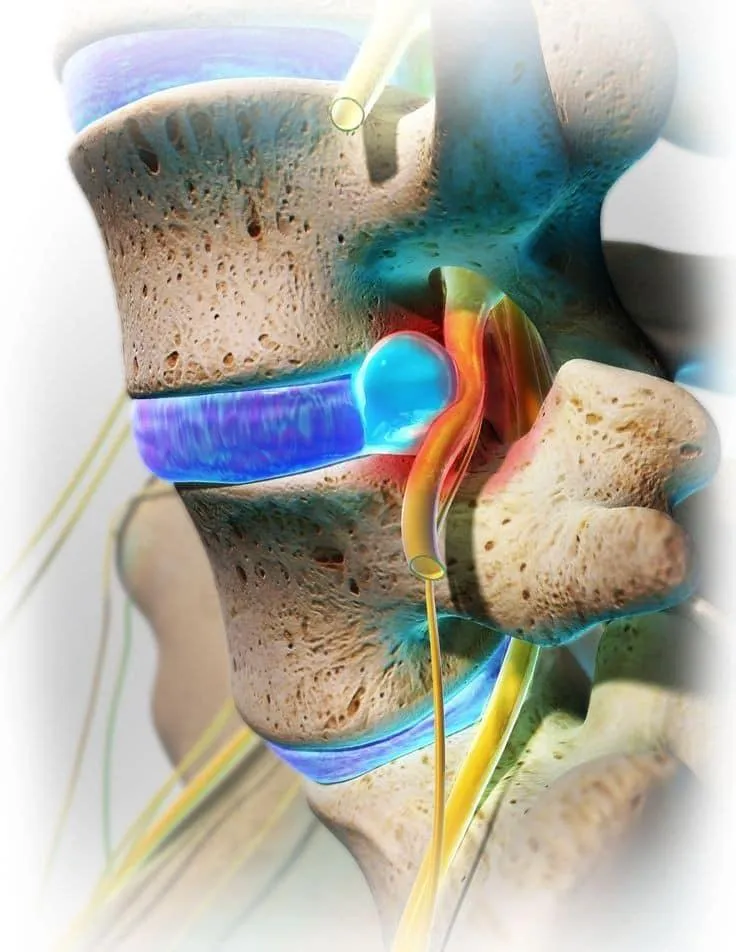
Sciatica refers to irritation or compression of the sciatic nerve, the largest nerve in the body. It runs from the lower back, through the hips, and down each leg.
When the sciatic nerve is irritated, you might feel burning, tingling, or shooting pain that can travel from your lower back all the way to your calf or foot.


Diagram showing the sciatic nerve from the low back through the leg
Common Symptoms of Sciatica
Sharp, shooting, or burning pain in the leg or buttock
Numbness, tingling, or “pins and needles”
Weakness when lifting or moving the foot
Pain that worsens after sitting, driving, or bending
Usually affects one side of the body
💡 Note: Severe or worsening weakness, or any bowel/bladder changes, require immediate medical attention.
Root Causes of Sciatica Pain
Sciatica isn’t a diagnosis—it’s a symptom. The root cause determines the best treatment plan.
The most common sources include:
Lumbar disc herniation: Pressure from a bulging disc irritates the nerve.
Joint dysfunction or misalignment: Poor spinal motion can inflame nearby nerves.
Piriformis syndrome: Tight hip muscles compress the nerve as it passes through the buttock.
Poor posture and prolonged sitting: Extra stress on the lower back over time.
Degenerative changes: Aging or arthritis can narrow nerve passageways.
💡 Did You Know?
Certain daily habits can make sciatica worse:
Sitting too long (especially with a wallet in your back pocket)
Slouching at a desk or in the car
Jumping into heavy lifting without warming up
Skipping chiropractic visits or home exercises
Your spine and nerves respond best when clinical care and daily habits work together.
How Chiropractic Care Helps
At Vanguard Chiropractic, our approach focuses on reducing nerve irritation, restoring spinal motion, and supporting your body’s natural healing process.
Your personalized plan may include:
Gentle spinal adjustments to restore proper joint alignment and reduce pressure on the sciatic nerve
Soft-tissue work to relax tight muscles like the piriformis and glutes
Posture and movement coaching to improve everyday ergonomics
Home stretching and strengthening exercises to stabilize your spine between visits

Chiropractor performing a lower back adjustment in a professional setting
A Real Patient Example from Brookside
A patient visited our Brookside office with severe right leg pain after long commutes and sitting for work. Evaluation showed lumbar disc irritation and tight hip muscles.
We recommended a care plan that included regular adjustments, gentle stretching, and posture breaks every hour.
Progress was slow at first because of missed appointments. But once she followed her plan consistently, her pain decreased dramatically, and she returned to her workouts without leg pain.
The takeaway: Consistency with care and home recommendations leads to lasting results.
Supporting Your Recovery at Home
Chiropractic care is most effective when paired with simple self-care strategies:
Take short walk breaks every hour to reduce sitting stress.
Stretch the piriformis and hip muscles daily.
Maintain a neutral spine while sitting or lifting.
Engage your core muscles for back stability.
Sleep on your side with a pillow between your knees to reduce strain.

Patient doing a piriformis stretch
When to Seek Chiropractic Care
If leg pain, numbness, or weakness is interfering with your life—or if symptoms persist despite rest—it’s time for an evaluation.
At Vanguard Chiropractic, we identify the root cause of your pain and create a treatment plan that addresses both the symptoms and the source.
⚠️ If you experience progressive weakness or bowel/bladder changes, seek emergency care immediately.
Ready to Address Your Sciatica—Not Just the Symptoms?
If you’re struggling with sciatica or nerve pain, don’t wait for it to worsen.
👉 Book Now or call us today at 918-986-7399 to schedule your consultation at Vanguard Chiropractic in Tulsa’s Brookside area.


